Single Images | Series - Giya Makondo-Wills | Series - Laetitia Vançon
In 2017, data overtook oil as the world’s most valuable commodity. The work sits in the void between departure of information and arrival in a server. The space between night and dawn, the air that falls between the lips of the storyteller and ear of the receiver, the abyss that we must cross when the old world is dying and the new one is not yet born.
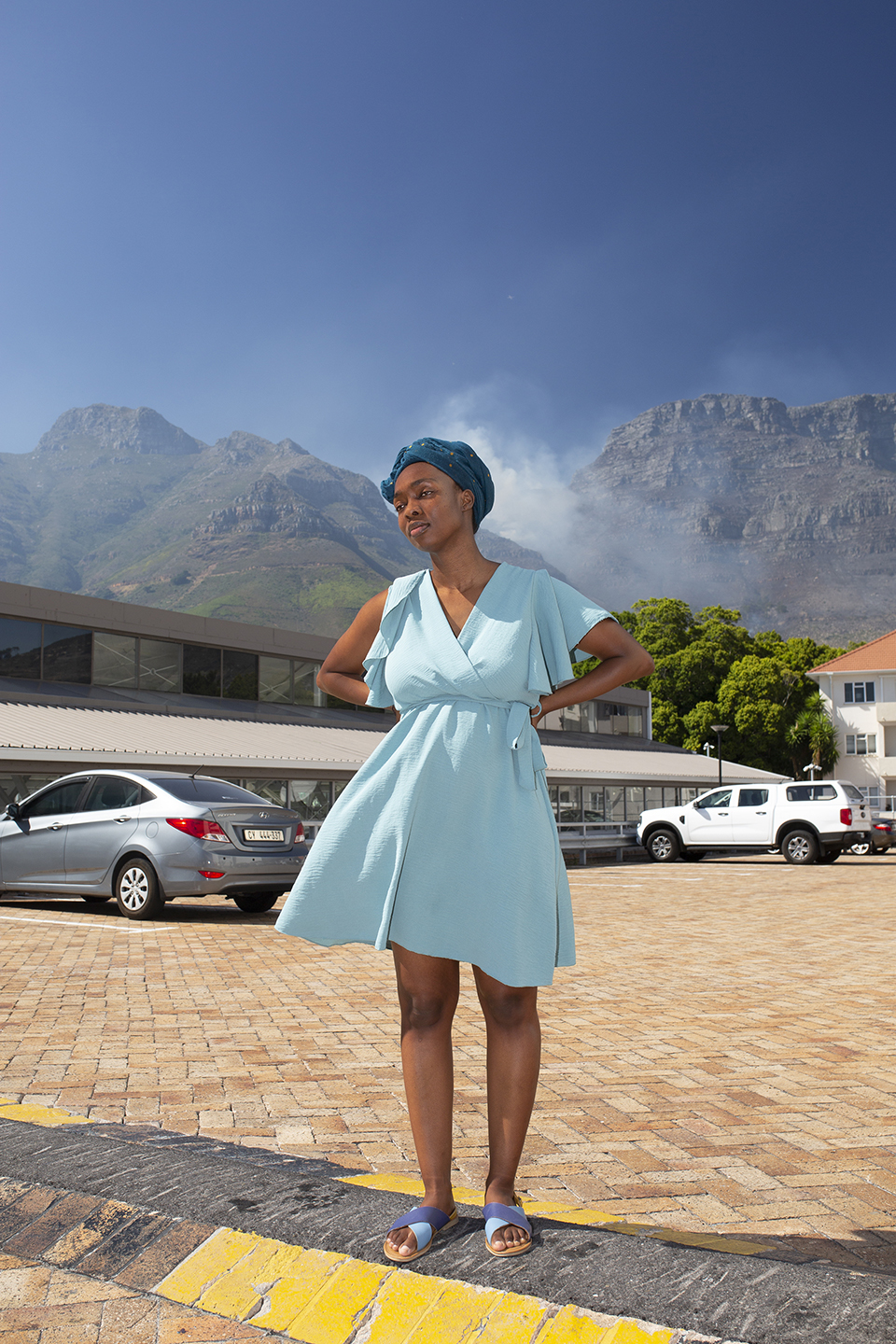
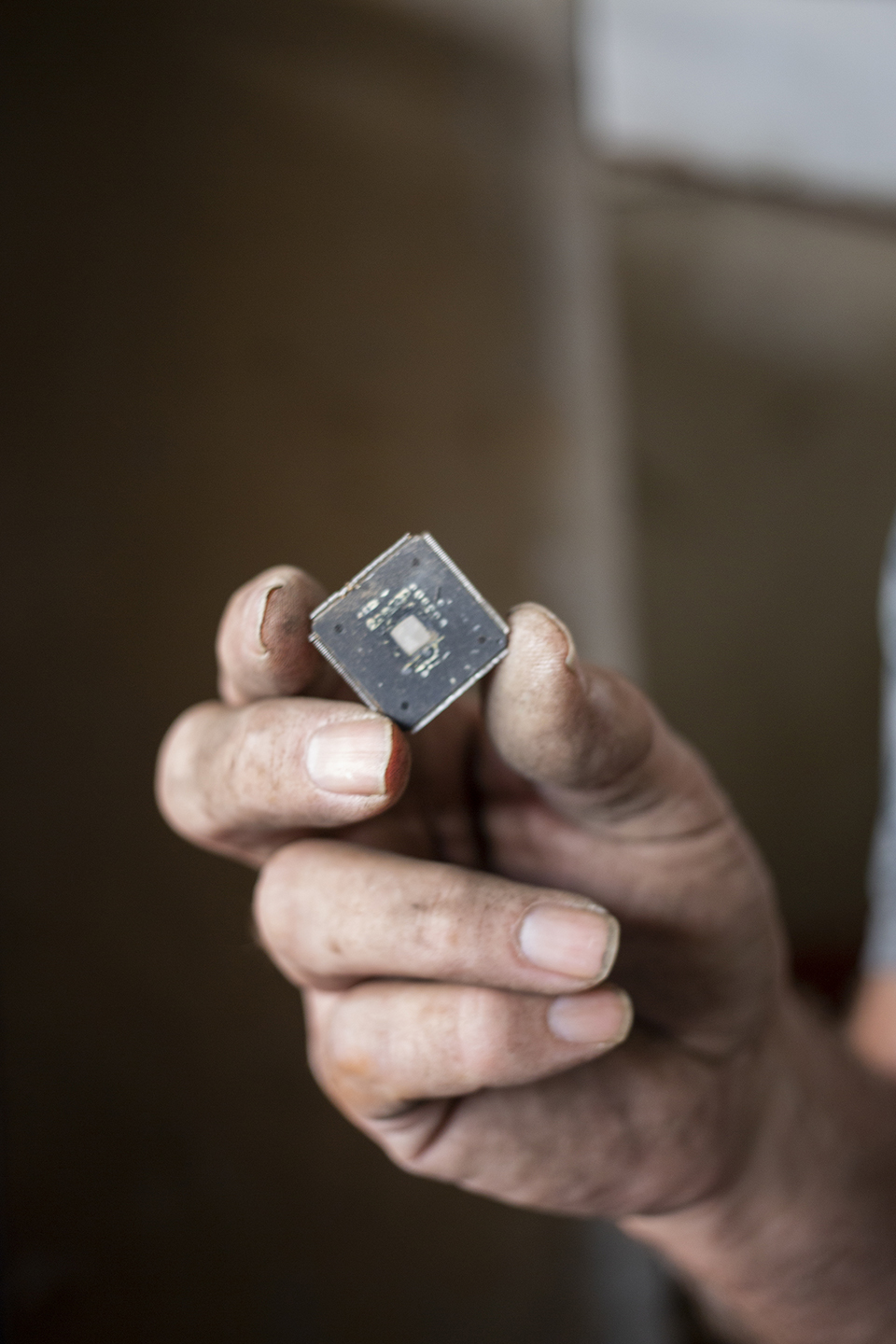
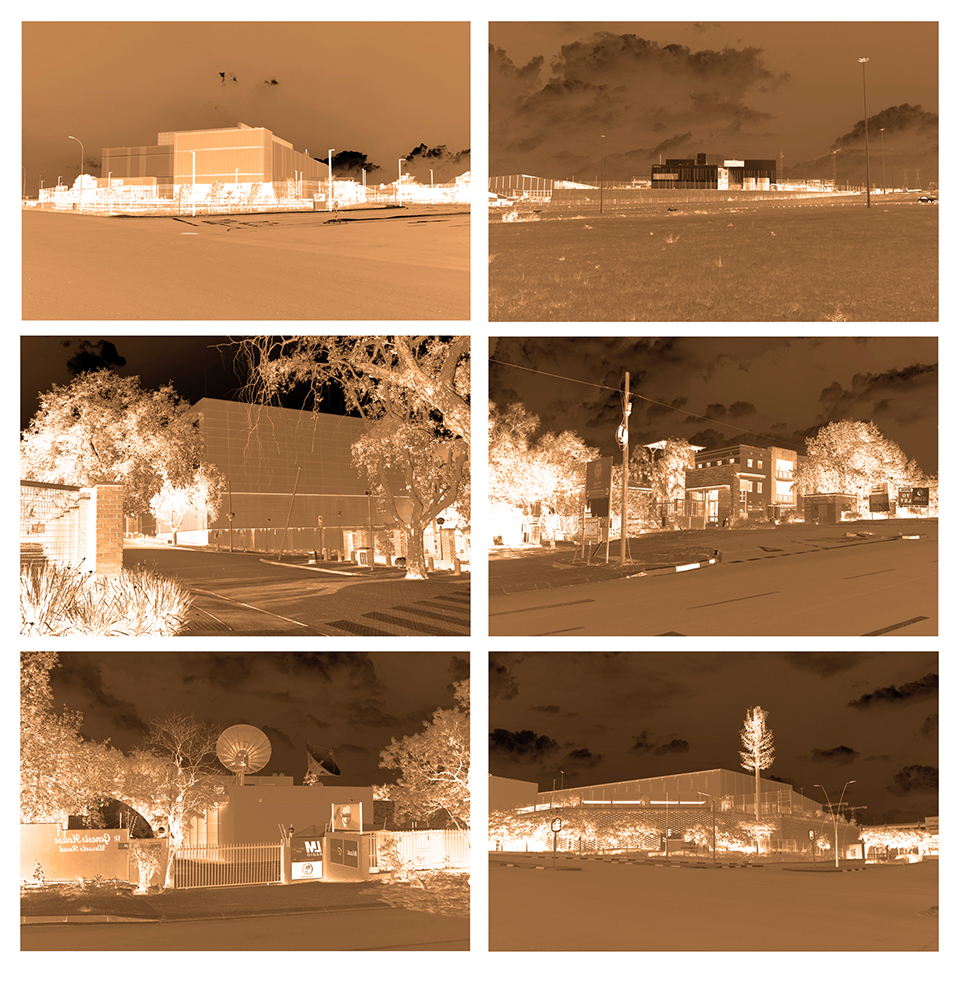
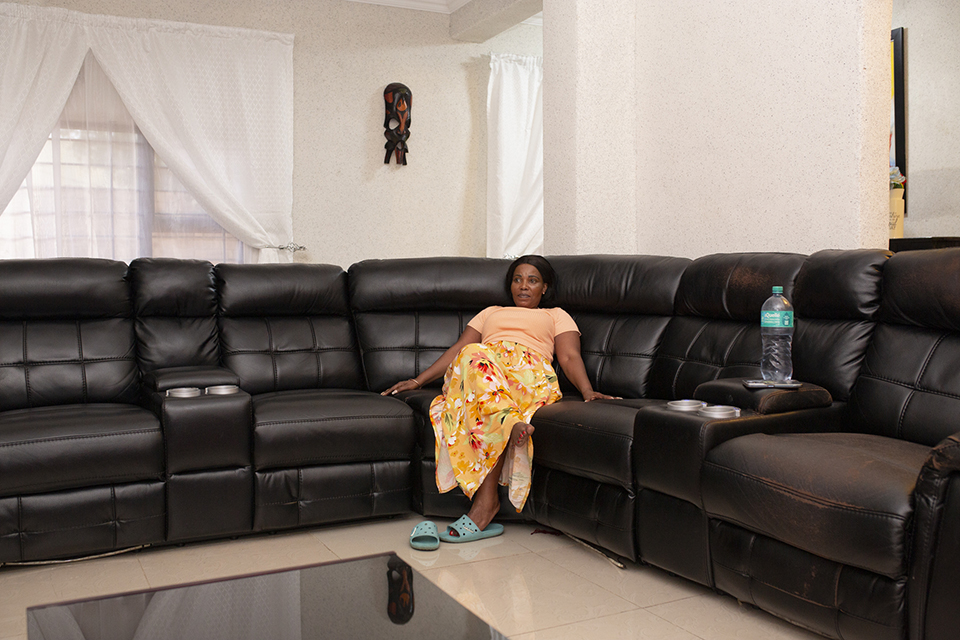
South Africa’s tech industry is booming. New Scramble documents the proliferation of data centres by global giants including Microsoft, Google. Partly set in Gauteng, it documents how these centres, symbols of the Fourth Industrial Revolution, strain local infrastructure and natural resources, provoking ecological and ethical crises. Every day, 6-8 million people go without electricity and 14 million have no safe drinking water. One data centre can consume as much daily water as 3,000-6,000 people and equivalent energy of 400,000 people. Water to entire neighbourhoods stops at 7pm, including those where my family live. A data centre is cooled. Hundreds go without power. Centres keep running.
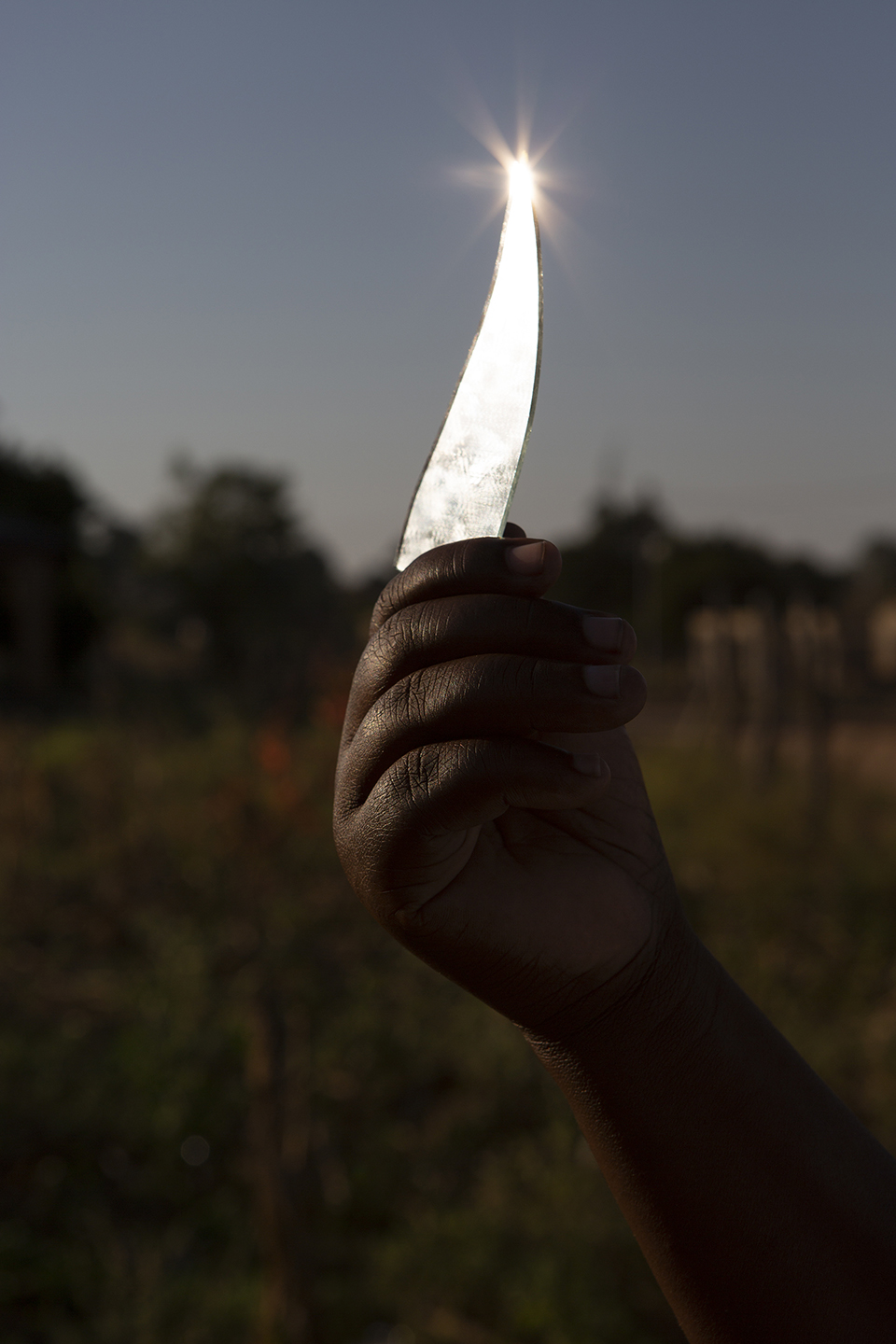
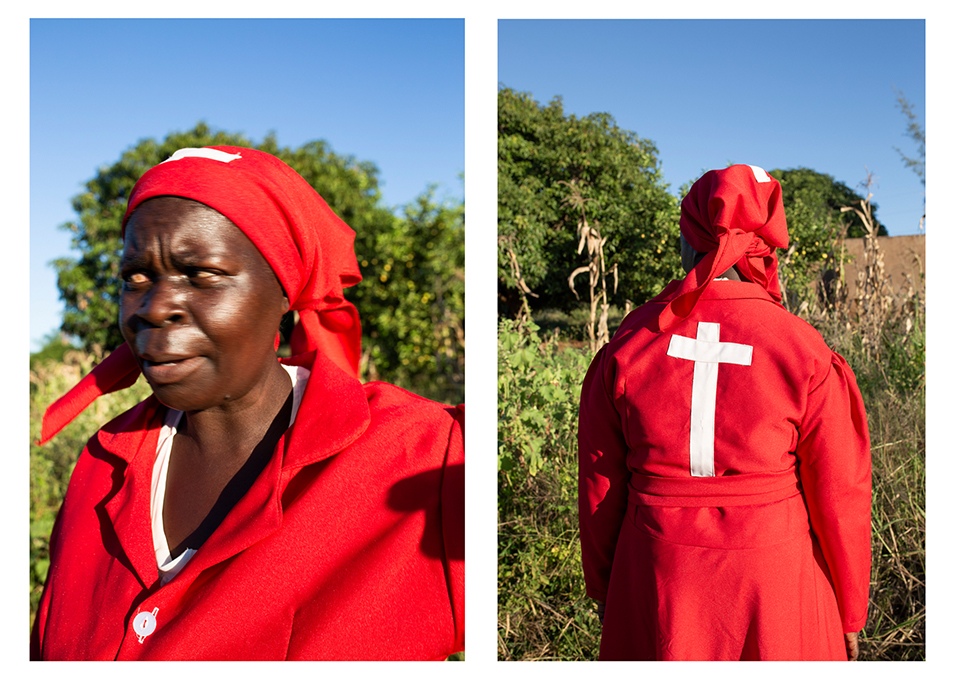
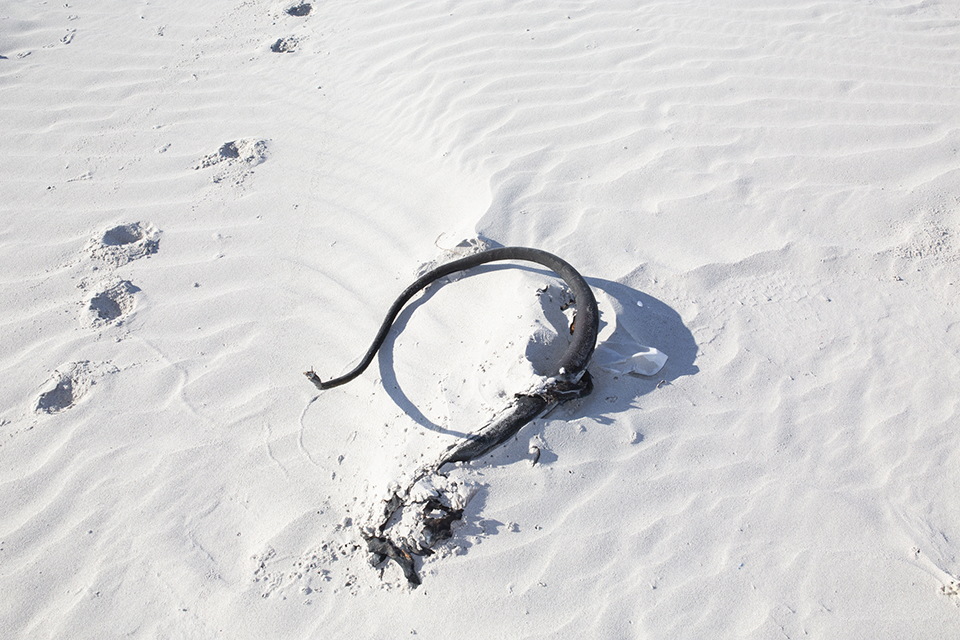
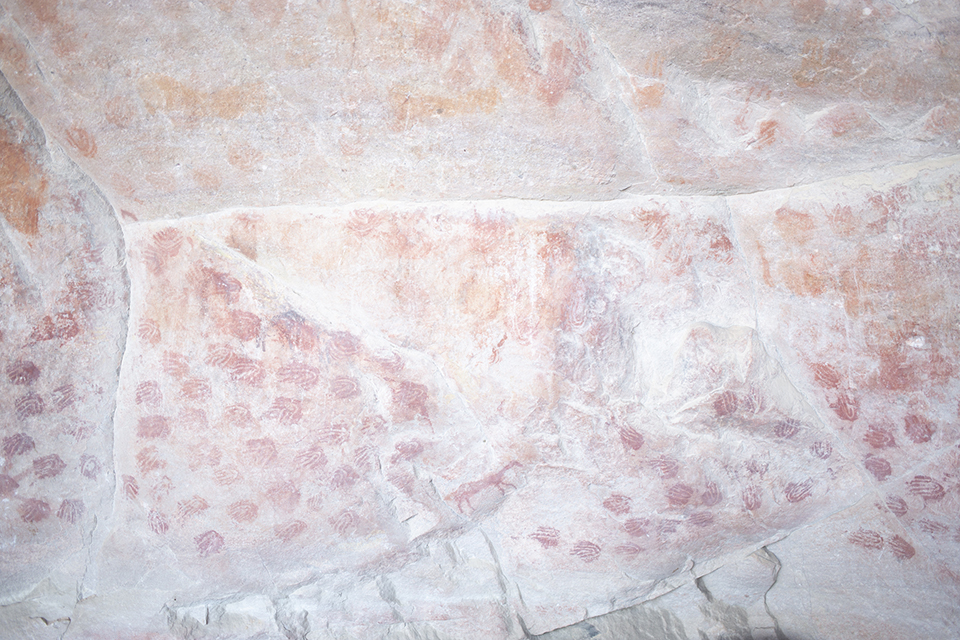
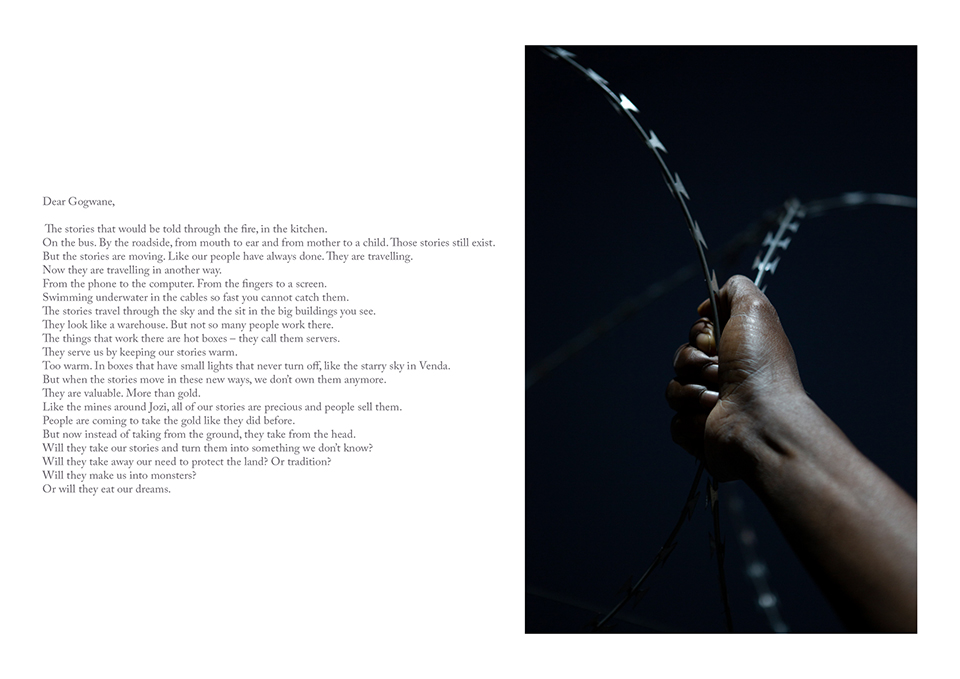
Extraction also grabs the intangible - thoughts, feelings, likes, dislikes, habits - as we search, scroll. Once, stories helped us make sense of mystery and disaster. Today they're and stored, commodified. In this work I reference ancestral practices, folklore, creation stories, consider how narratives transform in fibre optic sub-sea cables and over-heating servers - travelling from the intangible to the physical and back.
It spotlights data mining as fuel for modern capitalism, replicating historic colonial appropriation, extracting value, erasing origins. It shows data sovereignty and ownership is critical. How we communicate is changing - if we don’t own the channels we use to communicate, we don’t own the stories, language, identity, culture. What are the implications of this in 100 or 200 years? Could it erase our history, culture? The work is narrated by a letter to my Gogo (grandmother) where I share these concerns."